
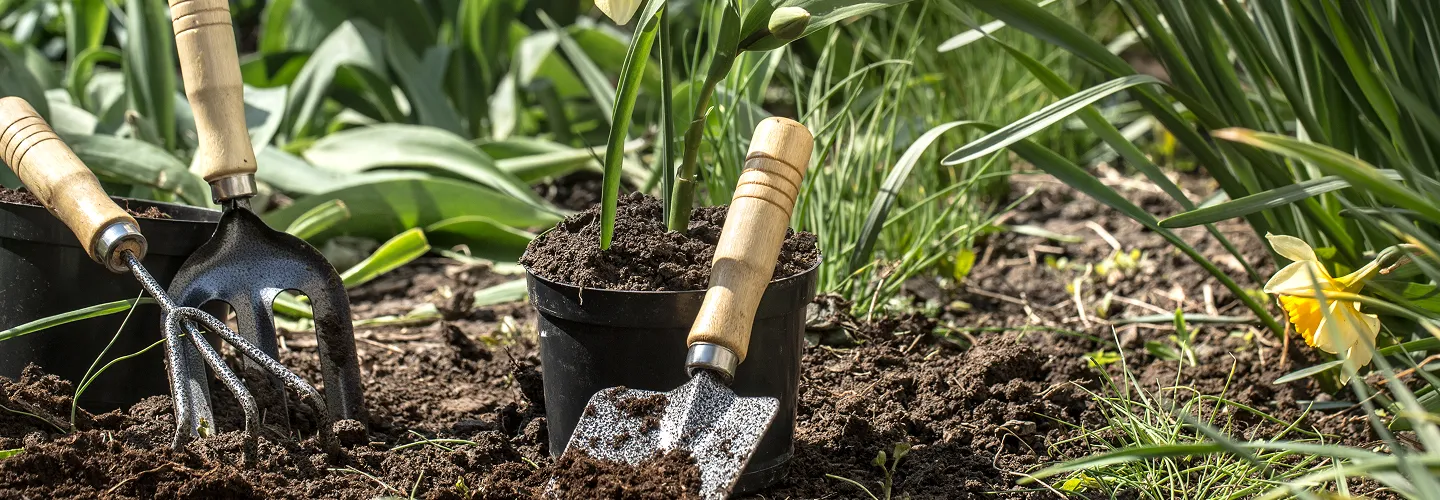
Montezuma Lawn Renovation Services
Choose our Lawn Renovation services for expert care, premium materials, and a commitment to transforming tired, patchy grass into a lush, healthy landscape you’ll love year-round.
Get a Free QuoteOur Montezuma Landscaping & Yard Care Services
When to Schedule Lawn Renovation in Montezuma, Georgia – Seasonal Guide
In Montezuma, Georgia, timing your lawn renovation is crucial for achieving a lush, healthy yard that thrives year-round. The region’s humid subtropical climate, with its warm summers and mild winters, means that late spring and early fall are generally the best periods for major lawn work. Renovating during these windows allows new grass to establish before the intense summer heat or potential winter frosts. Local neighborhoods like Oglethorpe Heights and areas near Whitewater Creek often experience microclimates, so it’s important to consider your property’s unique conditions.
Factors such as the average last frost date in early March, the risk of late-summer drought, and the prevalence of sandy loam soils in Montezuma all play a role in determining the optimal renovation schedule. Properties shaded by mature pecan trees or those near the Montezuma Historic District may require special attention to shade coverage and soil compaction. For more information on local environmental guidelines, visit the official municipal resource.
Local Factors to Consider for Lawn Renovation in Montezuma
- Tree density and shade coverage, especially from pecan and oak trees
- Soil type (sandy loam is common, but check for clay pockets)
- Terrain slope and drainage patterns, particularly near Whitewater Creek
- Seasonal precipitation trends and drought risk
- Municipal restrictions or watering schedules
- Proximity to landmarks or neighborhoods with unique microclimates
Benefits of Lawn Renovation in Montezuma
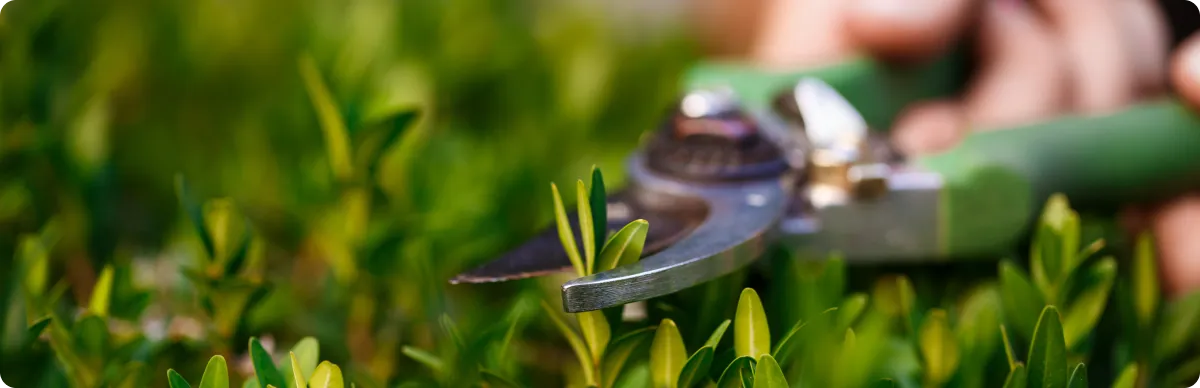
Enhanced Curb Appeal
Improved Soil Health
Weed and Pest Reduction
Thicker, Greener Grass
Increased Property Value
Customized Lawn Solutions
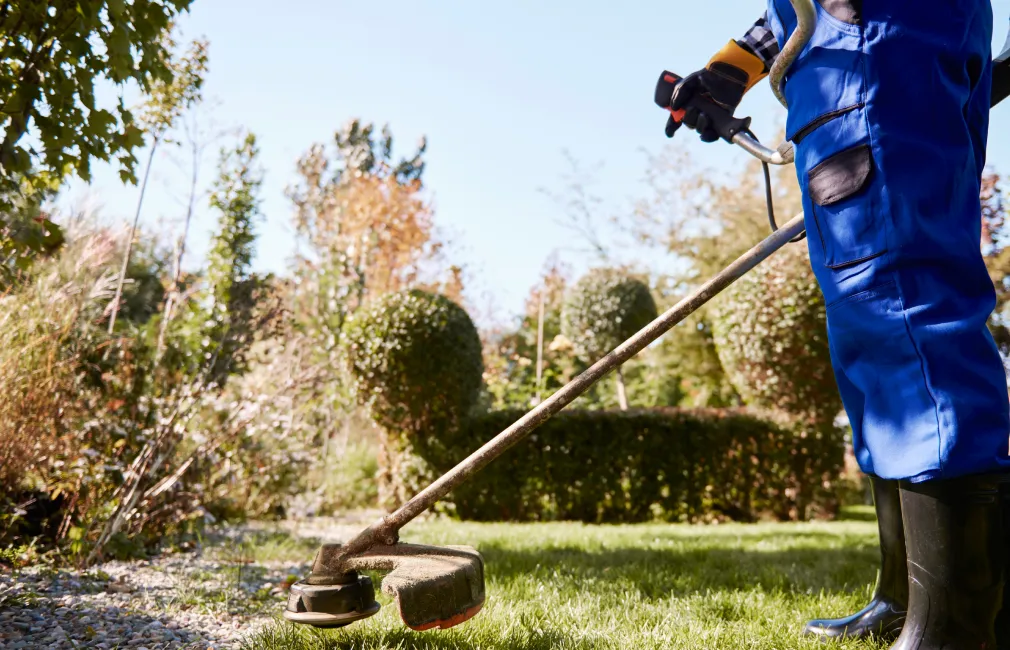
Montezuma Lawn Renovation Types

Sod Installation
-
Overseeding
-
Aeration and Dethatching
-
Soil Amendment
-
Weed and Pest Control
-
Irrigation System Upgrades
-
Native Grass Conversion
Our Lawn Renovation Process
Site Evaluation
Soil Preparation
Seeding or Sod Installation
Watering and Fertilization
Ongoing Maintenance
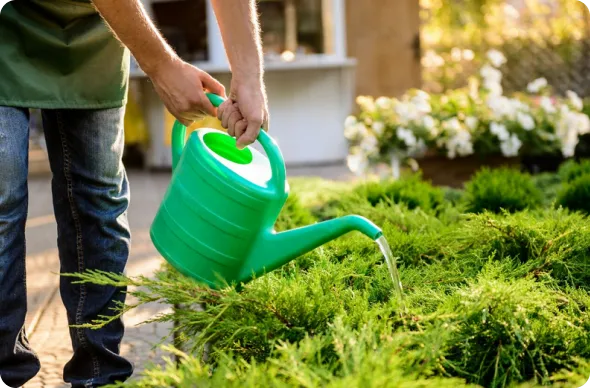
Why Choose Montezuma Landscape Services
-
Montezuma Homeowners Trust Us
-
Comprehensive Lawn Maintenance
-
Reliable Scheduling
-
Competitive Pricing
-
Experienced Professional Team
-
Satisfaction Guarantee
-
Personalized Service Plans
Montezuma's Middle Georgia Soils and Their Impact on Lawn Renovation Success
Montezuma sits in the upper Coastal Plain of Middle Georgia, within USDA Hardiness Zone 8b, where the growing season extends roughly 240 days. The predominant soil series in the Montezuma area—including Tifton, Orangeburg, and Faceville sandy loams—tend toward well-drained, acidic conditions with pH values commonly ranging from 5.0 to 6.0. These characteristics directly affect lawn renovation outcomes. Before seeding or sodding, property owners should obtain a soil test through the UGA Cooperative Extension office in Macon County to determine precise pH, phosphorus, and potassium levels. Key soil considerations for lawn renovation in Montezuma include:
- Low organic matter: Sandy loam topsoils often lack sufficient organic content to retain moisture and nutrients during establishment.
- Acidic pH: Lime applications are frequently necessary to raise pH into the 6.0–6.5 range preferred by warm-season turfgrasses.
- Rapid drainage: Sandy subsoils can cause newly applied seed or fertilizer to leach below the root zone without proper timing.
- Compaction in older lots: Developed areas near downtown Montezuma may exhibit compacted fill soils requiring core aeration before renovation.
Residents can verify their specific soil series using the USDA Web Soil Survey by entering their property address.
Optimal Lawn Renovation Timing for Montezuma's Extended Warm Season
Montezuma's long, humid summers and mild winters create specific windows for successful lawn renovation. Warm-season turfgrasses—bermudagrass, centipedegrass, and zoysiagrass—are the primary species suited to this region, and each has distinct establishment requirements. The National Weather Service Peachtree City forecast office provides localized climate data that can help property owners plan renovation timing. Recommended renovation windows include:
- Late April through June: Ideal for bermudagrass sodding or sprigging, when soil temperatures consistently exceed 65°F at a 4-inch depth.
- May through mid-July: Best window for centipedegrass seeding, allowing 90–120 days of active growth before the first expected frost in late November.
- September through mid-October: Appropriate for overseeding with annual ryegrass if temporary winter color is desired, though this practice can delay spring green-up of permanent warm-season turf.
Avoid renovation during Montezuma's peak heat in July and August, when daytime temperatures regularly exceed 95°F and drought stress can prevent establishment. Irrigation availability through the Montezuma Water and Wastewater Department's municipal system is essential during the establishment period; verify current watering allowances, as drought-year restrictions may apply.
Montezuma Water & Wastewater Department
115 N. Dooly Street, Montezuma, GA 31063
Phone: (478) 472-8566
Official Website: Montezuma Water & Wastewater Department
Protecting Beaver Creek and Montezuma's Drainage Corridors During Renovation Work
Lawn renovation activities—including tilling, grading, soil amendment application, and fertilization—can generate sediment and nutrient-laden runoff that threatens local waterways. Beaver Creek and its tributaries flow through and around Montezuma, and the Flint River lies just west of the city. The Georgia EPD Watershed Protection Branch oversees water quality standards that apply to all land-disturbing activities, and EPA Region 4 enforces federal Clean Water Act protections in this watershed. Property owners and contractors undertaking lawn renovation should observe the following precautions:
- Sediment barriers: Install silt fencing or straw wattles along the downslope edge of any graded or tilled area, particularly on properties adjacent to drainage ditches or creek corridors.
- Fertilizer setbacks: Apply no granular fertilizer within 25 feet of any creek bank, drainage ditch, or stormwater inlet to reduce phosphorus and nitrogen loading.
- Bare soil stabilization: Seed, sod, or mulch all exposed soil within 14 days of disturbance to prevent erosion during Montezuma's frequent spring and summer thunderstorms.
- Timing around rainfall: Avoid tilling or applying amendments when the National Weather Service forecasts rainfall exceeding 0.5 inches within 24 hours.
Montezuma's Public Works Department can provide guidance on stormwater infrastructure locations and drainage flow patterns relevant to individual properties.
Montezuma Public Works
115 N. Dooly Street, Montezuma, GA 31063
Phone: (478) 472-8566
Official Website: Montezuma Public Works
How Montezuma's Code of Ordinances Affects Lawn Renovation and Property Maintenance
Property owners planning lawn renovation in Montezuma should review the city's Code of Ordinances for provisions that may affect project scope, timing, and waste disposal. Montezuma's municipal code includes nuisance vegetation and property maintenance standards that can influence renovation decisions. Key regulatory considerations include:
- Overgrowth and nuisance provisions: Properties with severely deteriorated turf may be subject to code enforcement action if grass or weeds exceed height thresholds established in the nuisance ordinance. Lawn renovation can serve as a corrective measure to bring properties into compliance.
- Debris and waste disposal: Removed sod, dead vegetation, and soil amendments generate waste that must be disposed of in accordance with city sanitation rules. Verify current yard waste collection procedures with Montezuma Public Works before beginning work.
- Grading and drainage: Any renovation involving regrading or changes to surface drainage patterns near property lines or public rights-of-way may require coordination with the city's Planning and Zoning office to ensure compliance with setback and drainage requirements.
- Downtown properties: Lots within the Downtown Development Authority district may have additional frontage or appearance standards; confirm requirements through the Montezuma Downtown Development Authority.
Georgia Pesticide and Fertilizer Regulations Relevant to Lawn Renovation Practices
Lawn renovation in Montezuma frequently involves herbicide applications to eliminate existing weed populations before reseeding or sodding, as well as starter fertilizer to support new turf establishment. Georgia law governs both practices. The Georgia Pesticide Use and Application Act of 1976 requires that any person applying restricted-use pesticides hold a valid license issued through the Georgia Department of Agriculture. The Georgia Fertilizer Act of 1997 regulates fertilizer labeling, registration, and application standards. Practical implications for Montezuma residents include:
- Pre-renovation herbicide: Glyphosate-based products used to kill existing turf before renovation are general-use pesticides, but applicators must follow all label directions, including buffer distances from water bodies.
- Starter fertilizer: Products high in phosphorus (the middle number in N-P-K ratios) support root development but must be applied at label rates to prevent runoff into Beaver Creek or municipal storm drains.
- Licensed applicators: Property owners hiring contractors for chemical applications should verify that the applicator holds current Georgia pesticide licensing credentials through the Georgia Department of Agriculture - Agricultural Pest Control program.
- Record keeping: Licensed applicators are required to maintain application records including product name, rate, date, and location for a minimum of two years.
What Neighborhoods Do We Serve Throughout Montezuma, GA?
- Downtown Montezuma / Historic District: Older residential lots near Dooly Street and the courthouse square often feature compacted soils, mature shade trees, and smaller yard footprints that require careful turf species selection—centipedegrass and shade-tolerant zoysiagrass perform well under these canopy conditions.
- Oglethorpe Street Corridor: Properties along this primary corridor tend toward larger lots with full sun exposure, making bermudagrass the preferred renovation choice; proximity to drainage ditches requires sediment control during soil preparation.
- Beaver Creek Vicinity: Homes near Beaver Creek and its floodplain face periodic wet conditions and heavier clay content in low-lying areas, necessitating improved drainage and erosion-resistant turf establishment methods.
- South Montezuma / GA-26 Area: Newer development patterns along the Highway 26 corridor feature sandy loam soils typical of the upper Coastal Plain, with good drainage but low nutrient retention requiring amended soil profiles during renovation.
- Ideal / West Montezuma: Rural-edge properties west of the city center often have larger acreage with mixed sun and wooded borders, where transitional turf zones and selective clearing may be part of a comprehensive renovation plan.
- East Montezuma / Macon County Residential Areas: Established neighborhoods east of downtown include mid-century homes with aging lawns that benefit from core aeration, pH correction, and warm-season turf re-establishment timed to late spring.