
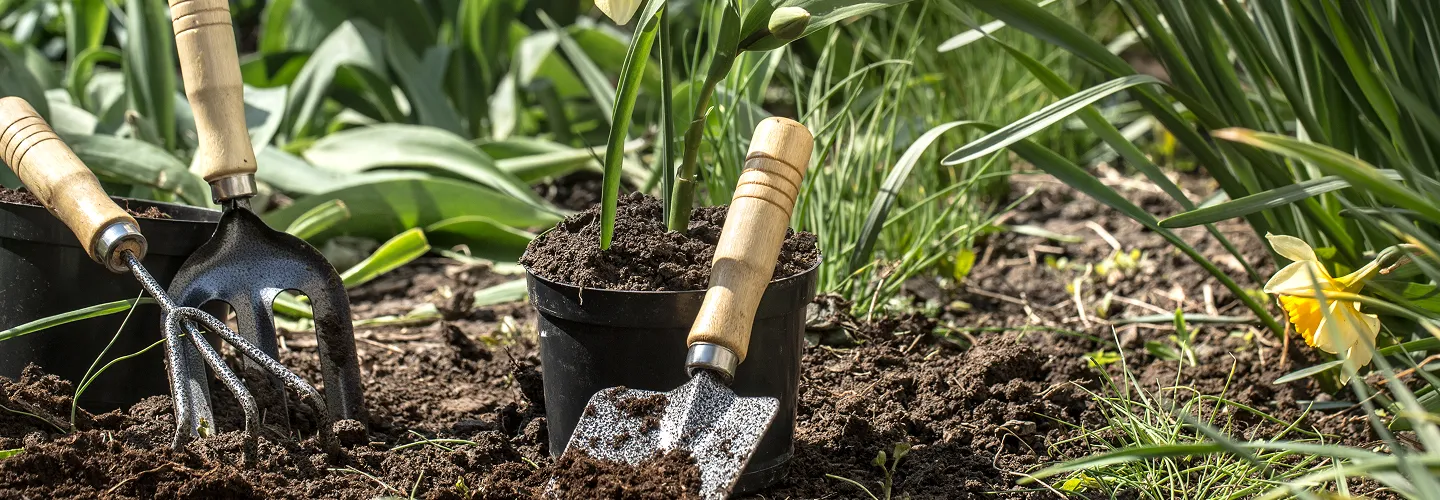
Montezuma Pruning Services
Choose our professional pruning services to enhance your landscape’s beauty, promote healthy growth, and ensure the safety of your property with skilled, reliable care you can trust.
Get a Free QuoteOur Montezuma Landscaping & Yard Care Services
When to Schedule Pruning in Montezuma, Georgia – Seasonal Guide
In Montezuma, Georgia, the best times to schedule pruning are shaped by our region’s unique climate and landscape. With hot, humid summers and mild winters, timing your pruning can make a significant difference in plant health and curb appeal. For most trees and shrubs, late winter to early spring—just before new growth begins—is ideal, as this minimizes stress and reduces the risk of disease. However, certain species in neighborhoods like Oglethorpe Heights or near the Flint River may benefit from selective summer pruning to manage rapid growth or storm damage.
Local environmental factors such as our average last frost date in early March, periods of summer drought, and the rich, loamy soils common around Montezuma all play a role in determining the optimal pruning window. Properties with dense shade, like those near Whitewater Park, may require different timing than open, sun-exposed lots. For more detailed guidance on local regulations and best practices, consult resources like the Sudbury municipal site.
Local Factors to Consider for Pruning in Montezuma
- Tree and shrub density on your property
- Proximity to landmarks like the Flint River or Whitewater Park
- Typical precipitation patterns and drought risk
- Soil type and drainage characteristics
- Municipal restrictions or neighborhood association guidelines
- Shade coverage and sun exposure
- Recent storm or wind damage
Benefits of Pruning in Montezuma

Enhanced Plant Health
Improved Curb Appeal
Increased Sunlight Exposure
Disease Prevention
Professional Expertise
Customized Landscaping Solutions
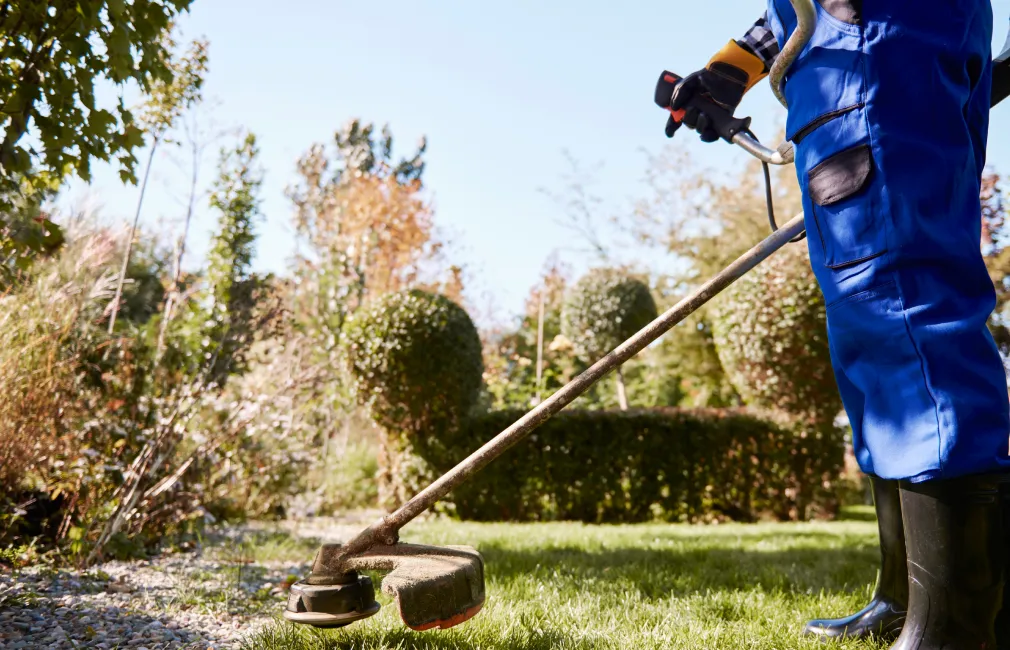
Montezuma Pruning Types

Crown Thinning
-
Crown Raising
-
Crown Reduction
-
Deadwooding
-
Formative Pruning
-
Pollarding
-
Vista Pruning
Our Pruning Process
Site Evaluation
Plant Identification
Selective Pruning
Debris Removal
Final Inspection
Why Choose Montezuma Landscape Services

-
Montezuma Homeowners Trust Us
-
Comprehensive Lawn Maintenance
-
Reliable Scheduling
-
Competitive Pricing
-
Experienced Professional Team
-
Satisfaction Guarantee
-
Personalized Service Plans
Optimal Pruning Windows for Montezuma's Long Middle Georgia Growing Season
Montezuma sits in USDA Hardiness Zone 8b, where the extended warm season—typically lasting from mid-March through early November—drives vigorous growth in both ornamental shrubs and shade trees. Proper pruning timing prevents stress, disease entry, and excessive regrowth. The UGA Cooperative Extension recommends the following seasonal guidelines for Middle Georgia properties:
- Late winter (January–February): Prune deciduous trees and summer-flowering shrubs such as crape myrtles and butterfly bushes while dormant. This reduces disease transmission and allows clear assessment of branch structure.
- Immediately after bloom (March–May): Prune spring-flowering species—azaleas, forsythia, and flowering quince—within two to three weeks of petal drop to preserve next year's bud set.
- Summer (June–August): Limit pruning to deadwood removal, light shaping, and corrective cuts. Montezuma's high humidity and temperatures above 90°F increase susceptibility to fungal infection at fresh wound sites.
- Avoid heavy pruning in October–November: Late-season cuts can stimulate tender new growth vulnerable to Montezuma's first average frost, typically occurring in mid-November.
Residents should also note that live oaks and red oaks are best pruned during the dormant season to reduce the risk of oak wilt transmission by insect vectors active in warmer months.
How Montezuma's Telfair County Soils Influence Pruning Practices and Plant Health
Montezuma is located in the upper Coastal Plain of Georgia, where predominant soil series include Tifton sandy loam and Orangeburg loamy sand, as mapped by the USDA Web Soil Survey. These soils are characteristically well-drained, acidic (pH typically 4.8–5.8), and low in organic matter. These conditions directly affect pruning decisions:
- Rapid drainage means trees and shrubs may experience drought stress during July and August, making heavy pruning during peak summer inadvisable—reduced canopy increases moisture loss from exposed root zones.
- Acidic, sandy soils favor species such as azaleas, camellias, blueberries, and native hollies, all of which require species-specific pruning techniques to maintain form and fruit production.
- Low nutrient retention in sandy profiles means that over-pruning can compound stress on plants already competing for limited soil nutrients.
Property owners should consider soil testing through the UGA Cooperative Extension county office in McRae-Helena (serving Telfair County) before undertaking major rejuvenation pruning, as soil pH and fertility directly affect a plant's ability to recover from significant canopy reduction.
Disposing of Pruning Debris Through Montezuma's Public Works and Sanitation Services
All pruning generates woody debris—branches, twigs, and foliage—that must be properly managed in accordance with municipal standards. Montezuma's Department of Public Works oversees sanitation collection and street maintenance, including the handling of vegetative waste placed curbside. Property owners and contractors performing pruning work should observe the following general practices:
- Bundle branches in manageable lengths (typically four feet or shorter) and stack neatly at the curb, separated from household refuse.
- Do not place debris over storm drains, ditches, or drainage swales, as blockages can cause localized flooding and may violate stormwater management standards.
- Large-volume pruning projects—such as rejuvenation of overgrown hedgerows or storm-damaged canopy removal—may require coordination with Public Works for special pickup or hauling arrangements.
- Burning of yard debris within city limits may be subject to local ordinance restrictions and open-burn regulations enforced by the Georgia Forestry Commission and the Georgia EPD.
Verify current collection schedules and container requirements directly with the city before placing large quantities of pruning waste curbside.
Montezuma Public Works
115 E. Oglethorpe Street, Montezuma, GA 31063
Phone: (478) 472-8566
Official Website: Montezuma Public Works
Safety Clearances for Pruning Near Utility Lines and Right-of-Way in Montezuma
Pruning near overhead power lines, telephone cables, and municipal infrastructure requires strict adherence to safety protocols. In Montezuma, utility lines run along many residential streets and alleys, and improper pruning near energized conductors poses serious electrocution and fire hazards. Key safety standards include:
- Never prune within ten feet of energized power lines. Georgia law and OSHA standards restrict unqualified workers from approaching high-voltage conductors. Only utility-approved line-clearance arborists may work within this zone.
- Contact the local electric utility before pruning any tree with branches growing into or near overhead lines. The utility provider is typically responsible for clearance pruning within its easement.
- Right-of-way visibility: Montezuma's Code of Ordinances may require property owners to maintain clear sightlines at intersections and along sidewalks. Overgrown shrubs and low-hanging branches that obstruct pedestrian or vehicular visibility should be pruned to a minimum clearance—generally seven feet over sidewalks and fourteen feet over streets.
- Use proper personal protective equipment (PPE): Safety glasses, gloves, hard hats, and hearing protection are standard for any pruning work involving power tools such as chainsaws or pole saws.
Property owners uncertain about utility easement boundaries should contact Montezuma's Planning and Zoning office for guidance on setback and easement locations.
Montezuma Planning & Zoning
115 E. Oglethorpe Street, Montezuma, GA 31063
Phone: (478) 472-8566
Official Website: Montezuma Planning & Zoning
Protecting Beaver Creek and Montezuma's Drainage Corridors During Pruning Operations
Montezuma is situated along the Flint River, and several smaller tributaries and drainage corridors—including Beaver Creek—flow through or near residential areas within the city. Pruning operations conducted near these waterways require environmental awareness to comply with state and federal water quality protections under the Clean Water Act and the Georgia EPD Watershed Protection Branch. Practical precautions include:
- Prevent debris from entering waterways. Branches, leaves, and wood chips should never be dumped into creeks, drainage ditches, or stormwater conveyances. Decomposing organic matter depletes dissolved oxygen and degrades aquatic habitat.
- Maintain vegetative buffers. Avoid removing understory vegetation within 25 feet of stream banks unless specifically directed by a qualified professional. Root systems along these corridors stabilize soil and filter runoff.
- Stage equipment and debris piles on upland areas away from floodplain zones to prevent material from washing into waterways during rain events.
- Report erosion or bank instability observed during pruning work near drainage corridors to Montezuma's Public Works department.
The Georgia Forestry Commission also provides guidance on best management practices for vegetation management near riparian areas, which property owners and contractors should consult when planning large-scale pruning along wooded stream corridors.
What Neighborhoods Do We Serve Throughout Montezuma, GA?
- Downtown Montezuma / Oglethorpe Street Corridor: Properties in the historic downtown core often feature mature crape myrtles, ornamental hollies, and aging shade trees that require careful structural pruning and deadwood removal. Proximity to the Downtown Development Authority district may involve additional aesthetic considerations for frontage plantings.
- North Dooly Street Area: Established residential lots with mixed hardwoods and foundation shrubs on Tifton sandy loam soils. Overgrown azaleas and camellias are common candidates for rejuvenation pruning in late winter.
- South Montezuma / GA Highway 26 Corridor: Newer development patterns with smaller lots and younger ornamental plantings. Pruning needs focus on formative training cuts and right-of-way clearance along the highway frontage.
- Beaver Creek Vicinity: Properties adjacent to Beaver Creek drainage require environmentally sensitive pruning practices, with attention to buffer preservation and debris containment near the waterway.
- Flint River Bottomland Properties: Low-lying lots near the Flint River floodplain support dense native vegetation including river birch, sweetgum, and wax myrtle. Pruning in these areas must account for wet soil conditions, limited equipment access, and seasonal flooding patterns.
- West Montezuma Residential Areas: Quiet residential streets with mature pecan trees and mixed ornamental borders. Pecan pruning should follow UGA Cooperative Extension guidelines, with major structural work performed during dormancy (December–February) to minimize disease entry and maximize nut production.