
Montezuma Hedging Services
Choose Montezuma Hedging for expert care, precision shaping, and lush, healthy hedges that enhance your property's beauty and privacy year-round.
Get a Free QuoteOur Montezuma Landscaping & Yard Care Services
When to Schedule Hedging in Montezuma, Georgia – Seasonal Guide
In Montezuma, Georgia, the best times to schedule hedging are typically late winter through early spring and again in late summer. These periods align with the region’s mild climate and help avoid the stress of peak summer heat or the risk of frost damage. Montezuma’s proximity to the Flint River and neighborhoods like Oglethorpe Heights means that humidity and soil moisture can vary, so timing your hedging to avoid wet spells or drought conditions is crucial for healthy growth.
Local environmental factors such as the average last frost date in early March, the sandy loam soils common near the Montezuma Historic District, and the shade coverage from mature pecan groves all play a role in determining the optimal hedging schedule. For more detailed climate data and municipal guidelines, you can consult the official city resources. By considering these local characteristics, you can ensure your hedges remain healthy and attractive throughout the year.
Local Factors to Consider for Hedging in Montezuma
- Tree density and proximity to mature pecan or oak groves
- Terrain variations, especially near the Flint River floodplain
- Seasonal precipitation patterns and drought risk
- Municipal restrictions or neighborhood association guidelines
- Soil type, particularly sandy loam versus clay-heavy areas
- Shade coverage from large trees or nearby structures
Benefits of Hedging in Montezuma
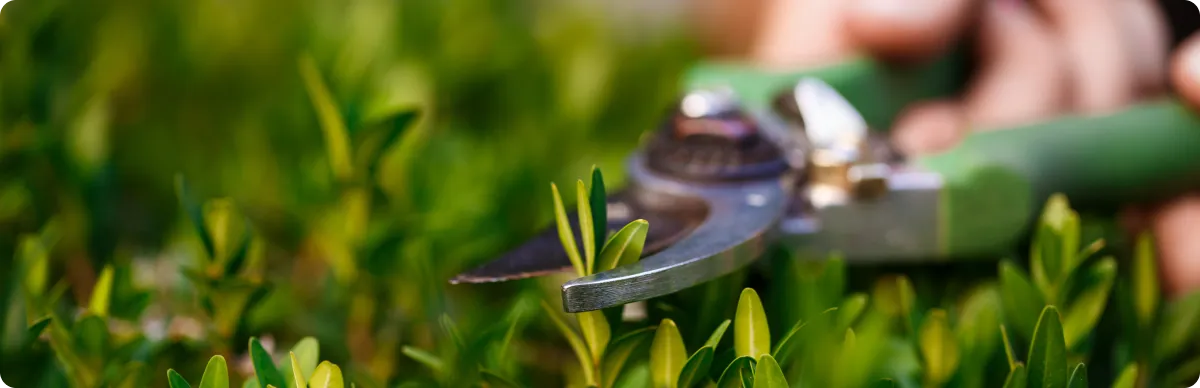
Expert Hedge Trimming
Customized Landscape Solutions
Enhanced Property Value
Year-Round Curb Appeal
Eco-Friendly Practices
Reliable Local Service
Montezuma Hedging Types

Boxwood Hedges
-
Privet Hedges
-
Laurel Hedges
-
Yew Hedges
-
Holly Hedges
-
Photinia Hedges
-
Hornbeam Hedges
Our Hedging Process
Consultation and Planning
Site Preparation
Precise Trimming
Cleanup and Inspection
Why Choose Montezuma Landscape Services
-
Montezuma Homeowners Trust Us
-
Comprehensive Lawn Maintenance
-
Reliable Scheduling
-
Competitive Pricing
-
Experienced Professional Team
-
Satisfaction Guarantee
-
Personalized Service Plans
Selecting Heat-Tolerant Hedge Species for Montezuma's Middle Georgia Climate
Montezuma sits within USDA Hardiness Zone 8b, where long, humid summers and mild winters create a growing environment well suited to a range of evergreen and semi-evergreen hedge species. The city's position in the Middle Georgia Coastal Plain transition zone means soils often consist of Tifton and Orangeburg sandy loam series, which are moderately well-drained and slightly acidic (pH 5.0–6.2) according to the USDA Web Soil Survey. Property owners should select hedge plants adapted to these conditions. Recommended species include:
- Ligustrum japonicum (Japanese Privet) – tolerates heat, humidity, and periodic drought; responds well to formal shearing
- Ilex vomitoria (Yaupon Holly) – native to Georgia, thrives in sandy and clay-transitional soils, and supports local wildlife
- Loropetalum chinense (Chinese Fringe Flower) – performs well in acidic soils and provides year-round foliage color
- Podocarpus macrophyllus (Japanese Yew) – suited to formal hedging in full sun to partial shade
The UGA Cooperative Extension publishes region-specific planting guides that can help Montezuma residents confirm cultivar suitability before installation.
How Montezuma's Code of Ordinances Affects Hedge Placement and Maintenance
Property owners in Montezuma must ensure that hedges comply with local regulations governing vegetation height, setback distances, and sightline preservation along public rights-of-way. The Montezuma Code of Ordinances addresses nuisance vegetation and property maintenance standards that apply directly to hedge upkeep. Key compliance considerations include:
- Sightline triangles at intersections – hedges planted near street corners or driveway aprons must not obstruct driver visibility; maintaining a maximum height of approximately 30 inches within sight triangles is a common municipal standard
- Right-of-way encroachment – branches or foliage extending beyond the property line into sidewalks, roadways, or utility easements may trigger code enforcement action
- Overgrowth and nuisance conditions – hedges left unmaintained to the point of harboring pests, obstructing drainage, or creating blight conditions may be subject to violation notices
Property owners with questions about setback requirements or frontage vegetation standards should contact Montezuma's Planning and Zoning office to verify current thresholds before planting or significantly expanding existing hedgerows.
Montezuma Planning & Zoning
115 E. Oglethorpe Street, Montezuma, GA 31063
Phone: (478) 472-2391
Official Website: Montezuma Planning & Zoning
Optimal Hedge Trimming Timing for Montezuma's Extended Growing Season
Montezuma's warm-season growth period typically extends from late March through mid-October, with peak vegetative growth occurring between May and August when daytime temperatures regularly exceed 90°F. This long season requires property owners and managers to plan multiple trimming cycles to maintain hedge form and density. General timing guidance includes:
- Late February to early March – perform the first structural pruning before spring flush begins; this is the ideal window for hard cuts on overgrown hedges
- Late May to mid-June – shape hedges after the initial spring growth surge; remove no more than one-third of new growth to avoid stress
- August to early September – a final light trim maintains form heading into fall; avoid heavy pruning after mid-September, as new growth may not harden before the first frost, which typically arrives in Montezuma between mid-November and early December
The National Weather Service Peachtree City forecast office provides local freeze advisories that help determine safe late-season pruning cutoff dates. Hedges trimmed during active drought periods should receive supplemental irrigation within 48 hours to reduce transplant shock on exposed tissue.
Protecting Beaver Creek and Montezuma's Drainage Corridors During Hedge Work
Montezuma is situated along the Flint River, and several smaller tributaries including Beaver Creek flow through or near residential areas within city limits. Hedge maintenance activities—particularly those involving herbicide application, soil disturbance, or green waste disposal—must account for proximity to these waterways. The Georgia EPD Watershed Protection Branch oversees water quality standards that apply to activities near streams and drainage corridors statewide. Practical precautions for Montezuma property owners include:
- Avoid applying herbicides within 25 feet of any creek bank, drainage ditch, or stormwater inlet to prevent chemical runoff into the Flint River watershed
- Do not dump hedge clippings into drainage ditches or storm drains – decomposing vegetation can block flow and degrade water quality
- Stabilize exposed soil after hedge removal near slopes or low-lying areas to prevent erosion and sediment transport
- Use manual trimming tools rather than chemical growth regulators on hedges immediately adjacent to waterways
Montezuma's Public Works department coordinates sanitation and infrastructure maintenance, including stormwater conveyance. Residents should report blocked drainage features caused by vegetation debris.
Montezuma Public Works
115 E. Oglethorpe Street, Montezuma, GA 31063
Phone: (478) 472-2391
Official Website: Montezuma Public Works
Hedge Clipping Disposal and Green Waste Coordination in Montezuma
Proper disposal of hedge trimmings is essential to maintaining compliance with Montezuma's sanitation and public works standards. Large hedging projects can generate substantial volumes of woody and leafy debris that must be handled according to city guidelines. Property owners and contractors should observe the following practices:
- Bundle woody hedge branches in lengths not exceeding four feet and secure with twine for curbside collection where applicable; verify current pickup schedules with Montezuma Public Works
- Bag leafy clippings in biodegradable yard waste bags rather than standard trash bags to facilitate composting or green waste processing
- Do not place hedge debris in roadway travel lanes, over storm drain grates, or within utility easements – this may constitute a code violation and create drainage or safety hazards
- Large-scale hedge removal projects generating more than a standard residential volume of debris may require coordination with the city for special pickup or hauling arrangements
The Georgia Forestry Commission also provides guidance on woody debris management and open burning regulations. Open burning of hedge waste within Montezuma city limits may be restricted; confirm current burn permit requirements with the Montezuma Fire Department before disposing of material through burning.
Montezuma Fire Department
115 E. Oglethorpe Street, Montezuma, GA 31063
Phone: (478) 472-8585
Official Website: Montezuma Fire Department
What Neighborhoods Do We Serve Throughout Montezuma, GA?
- Downtown Montezuma / Oglethorpe Street Corridor: Properties in the historic downtown core often feature mature hedgerows along sidewalks and building frontages. Proximity to the Downtown Development Authority's revitalization area means hedge maintenance must respect sightline and aesthetic standards consistent with the district's character.
- North Dooly Street Residential Area: Established residential lots with mixed sandy loam soils and moderate shade from mature hardwoods. Hedges here frequently require species tolerant of partial shade, such as Yaupon Holly or Cleyera.
- South Sumter Street / Highway 26 Corridor: Properties along this corridor face higher traffic exposure and road dust, making denser evergreen hedges like Ligustrum or Wax Myrtle practical choices for screening and noise buffering.
- Beaver Creek Vicinity: Low-lying lots near Beaver Creek may experience periodic wet conditions. Hedge species selection must account for occasional saturated soils, and trimming debris must be managed to prevent waterway contamination.
- Flint River West Bank Neighborhoods: Residential properties west of the Flint River feature sandy, well-drained soils suited to a wide range of hedge species but may require supplemental irrigation during July and August drought periods.
- East Montezuma / School District Area: Newer residential development with open lots and full sun exposure. Formal hedging installations benefit from heat-tolerant species and consistent trimming schedules during the extended growing season.