
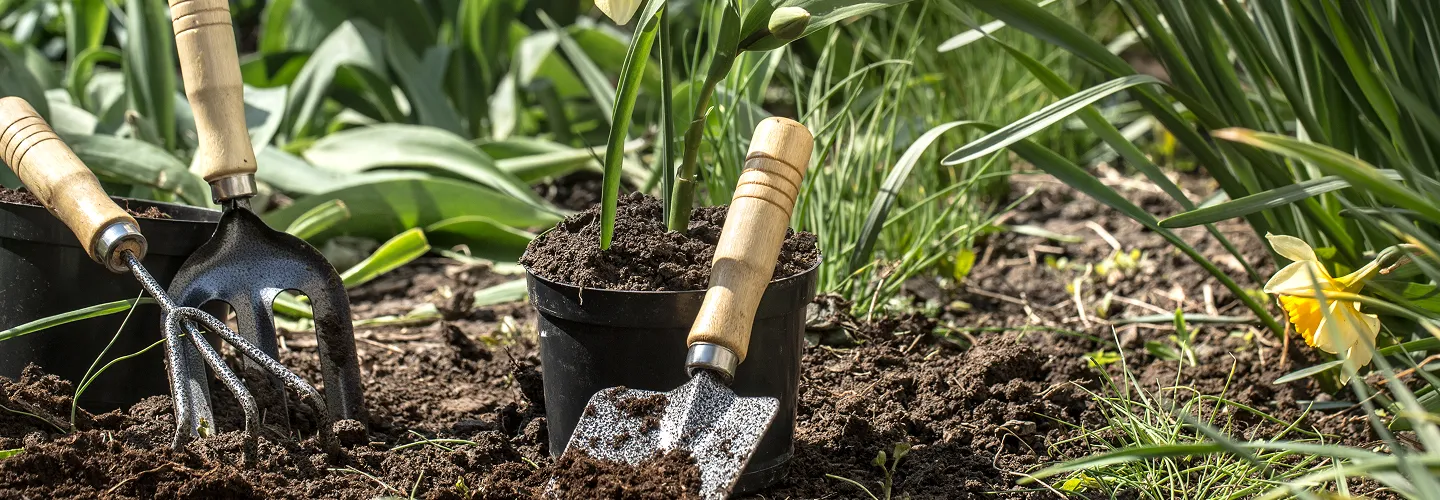
Montezuma Flower Planting Services
Choose Montezuma for vibrant, expertly arranged flower beds that boost your curb appeal and bring lasting beauty to your outdoor spaces—crafted with care by our passionate planting specialists.
Get a Free QuoteOur Montezuma Landscaping & Yard Care Services
When to Schedule Flower Planting in Montezuma, Georgia – Seasonal Guide
Flower planting in Montezuma, Georgia, is best scheduled with careful attention to our region’s unique climate and landscape. The ideal planting windows are typically early spring, after the last frost date in late March, and early fall, when temperatures begin to cool but before the first frost in November. Montezuma’s humid subtropical climate, with its warm summers and mild winters, allows for a diverse range of flowers, but timing is crucial to ensure healthy growth and vibrant blooms. Neighborhoods near Whitewater Park and along the Flint River often experience microclimates, where shade from mature trees and proximity to water can affect soil moisture and temperature. Local soil tends to be sandy loam, which drains well but may require amendments for moisture retention, especially in areas prone to drought during late summer. It’s also important to consider municipal guidelines and local resources, such as those provided by the City of Sudbury, for up-to-date information on planting restrictions and best practices.
Local Factors to Consider for Flower Planting in Montezuma
- Proximity to mature tree canopies (affecting shade and root competition)
- Soil type and drainage, especially in neighborhoods near the Flint River
- Average precipitation and risk of summer drought
- Frost dates and seasonal temperature swings
- Terrain slope and erosion risk in hilly areas
- Municipal restrictions or watering schedules
- Humidity levels impacting plant disease risk
Benefits of Flower Planting in Montezuma
Expert Local Knowledge
Customized Landscape Designs
Seasonal Plant Selection
Enhanced Curb Appeal
Eco-Friendly Practices
Reliable Maintenance Services
Montezuma Flower Planting Types

Perennial Flower Beds
-
Annual Flower Displays
-
Native Wildflower Gardens
-
Pollinator-Friendly Plantings
-
Shade Garden Flowers
-
Drought-Tolerant Flower Beds
-
Seasonal Bulb Plantings
Our Flower Planting Process
Site Evaluation
Soil Preparation
Flower Selection
Planting
Watering and Mulching
Why Choose Montezuma Landscape Services
-
Montezuma Homeowners Trust Us
-
Comprehensive Lawn Maintenance
-
Reliable Scheduling
-
Competitive Pricing
-
Experienced Professional Team
-
Satisfaction Guarantee
-
Personalized Service Plans
Montezuma's Middle Georgia Soils and Their Impact on Flower Bed Preparation
Montezuma sits in the upper Coastal Plain of Middle Georgia, within USDA Hardiness Zone 8b, where the growing season extends roughly 240 days. The predominant soils in Macon County belong to the Tifton, Orangeburg, and Faceville series—sandy loams and loamy sands that are naturally acidic, often registering a pH between 4.8 and 5.8. Before planting flowers, property owners should conduct a soil test through the UGA Cooperative Extension to determine exact pH and nutrient levels. Key bed preparation steps for Montezuma soils include:
- Amending with organic matter such as composted pine bark or aged leaf mold to improve moisture retention in sandy profiles
- Applying pelletized lime at rates guided by soil test results, typically 25–50 pounds per 1,000 square feet for acidic correction
- Incorporating a 2–3 inch layer of compost into the top 6–8 inches of the planting bed
- Testing drainage by filling a hole 12 inches deep with water; if it drains within 1–4 hours, conditions are suitable for most annuals and perennials
Soil data for specific parcels can be verified through the USDA Web Soil Survey.
Optimal Flower Planting Windows for Montezuma's Extended Warm Season
Montezuma's long frost-free period—typically from mid-March through mid-November—provides two primary planting windows for ornamental flowers. The National Weather Service Peachtree City forecast office covers Macon County and provides localized frost advisories that should guide planting decisions. Recommended timing includes:
- Spring annuals (petunias, marigolds, zinnias, pentas): Plant after the last average frost date, approximately March 15–20, once nighttime temperatures consistently remain above 50°F
- Fall annuals (pansies, violas, ornamental kale, snapdragons): Install from mid-October through early November, when daytime highs drop below 80°F
- Warm-season perennials (lantana, salvia, coneflower, black-eyed Susan): Establish between April and early June to allow root development before peak summer heat
- Cool-season perennials (hellebores, coral bells): Plant in October or early November for winter and spring bloom
Montezuma's summer temperatures frequently exceed 95°F with high humidity, making July and August poor months for transplanting. Watering newly installed flowers during establishment may be subject to conservation guidance from the Georgia EPD Water Conservation program, particularly during declared drought conditions.
Protecting Beaver Creek and Montezuma's Drainage Corridors During Flower Bed Work
Flower planting projects near Montezuma's waterways—including Beaver Creek, which runs through portions of the city, and the Flint River corridor to the west—require careful attention to erosion control and nutrient runoff prevention. The Georgia EPD Watershed Protection Branch oversees water quality standards that apply to all land-disturbing activities, and the federal Clean Water Act establishes baseline protections for navigable waters and their tributaries. Property owners and contractors should observe the following practices:
- Maintain a minimum 25-foot undisturbed vegetative buffer from the top of any creek bank when installing new flower beds
- Avoid applying granular fertilizer within 10 feet of any storm drain inlet, ditch, or drainage swale
- Use slow-release fertilizer formulations to reduce nitrogen and phosphorus leaching through Montezuma's sandy soils
- Install temporary silt barriers when grading or amending beds on slopes that drain toward ditches or creek corridors
- Never dispose of soil, mulch, or plant debris in drainage ditches maintained by the city
Residents with questions about stormwater infrastructure or ditch maintenance within city limits should contact Montezuma Public Works for guidance on setback expectations and disposal protocols.
Montezuma Public Works
109 N. Dooly Street, Montezuma, GA 31063
Phone: (478) 472-8566
Official Website: Montezuma Public Works
How Montezuma's Downtown Development Standards Affect Frontage Flower Plantings
Property owners and businesses within Montezuma's downtown district should be aware that flower planting along sidewalks, storefronts, and public right-of-way areas may be subject to municipal review. The Montezuma Downtown Development Authority supports revitalization efforts that include streetscape beautification, but plantings in or adjacent to public spaces must comply with the city's Code of Ordinances. Key considerations include:
- Right-of-way clearance: Flower beds, planters, and hanging baskets must not obstruct pedestrian pathways or reduce sidewalk width below minimum clearance standards
- Sightline preservation: Plantings at intersections or near driveways must remain below 30 inches in height to maintain driver visibility
- Irrigation and drainage: Any irrigation system connected to city water must comply with metering and backflow prevention requirements; verify current standards with the Montezuma Water & Wastewater Department
- Zoning review: Large-scale landscape modifications on commercial properties may require site plan review through Montezuma Planning & Zoning
Coordination with the Downtown Development Authority is recommended for any planting project that alters the appearance of frontage within the designated downtown area.
Montezuma Downtown Development Authority
109 N. Dooly Street, Montezuma, GA 31063
Phone: (478) 472-8566
Official Website: Montezuma Downtown Development Authority
Selecting Heat-Tolerant and Pollinator-Friendly Flowers for Montezuma Landscapes
Montezuma's Zone 8b climate, characterized by long summers with sustained temperatures above 90°F and humidity levels frequently exceeding 70 percent, demands careful flower selection. The UGA Cooperative Extension publishes regionally tested plant lists that are directly applicable to Middle Georgia conditions. Recommended species for Montezuma flower beds include:
- Full-sun annuals: Zinnia (Zinnia elegans), pentas (Pentas lanceolata), vinca (Catharanthus roseus), and globe amaranth (Gomphrena globosa)—all tolerate sustained heat and Montezuma's sandy loam drainage
- Shade-tolerant annuals: Impatiens (Impatiens walleriana) for north-facing beds, and caladiums (Caladium bicolor) for color under mature pecan and oak canopies common in older Montezuma neighborhoods
- Native perennials supporting pollinators: Purple coneflower (Echinacea purpurea), bee balm (Monarda didyma), and native aster (Symphyotrichum spp.) provide nectar sources and align with Georgia's pollinator habitat goals
- Deer-resistant options: Lantana (Lantana camara), rosemary (Salvia rosmarinus), and Russian sage (Perovskia atriplicifolia) are less palatable to deer, which may browse in neighborhoods adjacent to wooded areas and agricultural land surrounding Montezuma
Residents should avoid planting species listed on the UGA Extension Invasive Species registry, including Chinese privet and Japanese honeysuckle, which can escape cultivation and degrade native habitats along Beaver Creek and the Flint River corridor.
What Neighborhoods Do We Serve Throughout Montezuma, GA?
- Downtown Montezuma / Historic District: Older residential and commercial lots with mature pecan and oak canopy, compacted soils from decades of development, and frontage planting areas subject to Downtown Development Authority coordination. Shade-tolerant flower selections and soil amendment are typically necessary.
- North Dooly Street Corridor: A mix of established homes and civic properties with moderate lot sizes, sandy loam soils, and proximity to city infrastructure including stormwater ditches that require runoff-conscious bed placement.
- South Montezuma / GA-26 Corridor: Newer development patterns with more open sun exposure, Tifton-series sandy soils, and larger setbacks that accommodate expansive flower bed installations requiring irrigation planning.
- Beaver Creek Adjacent Areas: Properties near Beaver Creek face higher moisture levels, periodic flooding risk, and buffer zone considerations that influence bed location, plant selection, and fertilizer application practices.
- Oglethorpe Street / West Montezuma: Residential neighborhoods with mixed sun and shade conditions, older infrastructure, and proximity to city parks. Flower planting here benefits from coordination with Montezuma City Parks when beds adjoin public green spaces.
- Eastern Montezuma / Agricultural Fringe: Properties bordering farmland experience greater deer pressure and wind exposure, requiring hardier species selections and protective measures for newly installed flower beds.