
Montezuma Brush Removal Services
Choose our expert brush removal services for fast, thorough clearing that enhances your property's safety, curb appeal, and value—handled by a trusted local team committed to your satisfaction.
Get a Free QuoteOur Montezuma Landscaping & Yard Care Services
When to Schedule Brush Removal in Montezuma, Georgia – Seasonal Guide
In Montezuma, Georgia, timing your brush removal is essential for maintaining a healthy and attractive landscape. The region’s humid subtropical climate means that vegetation grows rapidly from late spring through early fall, especially in neighborhoods near the Flint River and around the Montezuma Historic District. Scheduling brush removal just after the last frost in early spring or before the first frost in late fall helps prevent overgrowth and reduces the risk of pests and disease.
Local environmental factors such as high summer humidity, periodic droughts, and the sandy-loam soils common in areas like Oglethorpe Street and the Montezuma Recreation Park can all impact the best time for service. It’s also important to consider municipal guidelines and seasonal precipitation patterns, which can affect accessibility and disposal options. For more information on local regulations, visit the official city resource.
Local Factors to Consider for Brush Removal in Montezuma
- Tree density and shade coverage, especially in older neighborhoods
- Soil type and drainage, which influence regrowth rates
- Seasonal precipitation and drought risk
- Frost dates (typically late March and early November)
- Terrain and accessibility for equipment
- Municipal restrictions on brush disposal and burning
Benefits of Brush Removal in Montezuma

Enhanced Curb Appeal
Improved Property Safety
Prevention of Pest Infestations
Increased Usable Outdoor Space
Healthier Landscape Growth
Boosted Property Value
Montezuma Brush Removal Types

Manual Brush Clearing
-
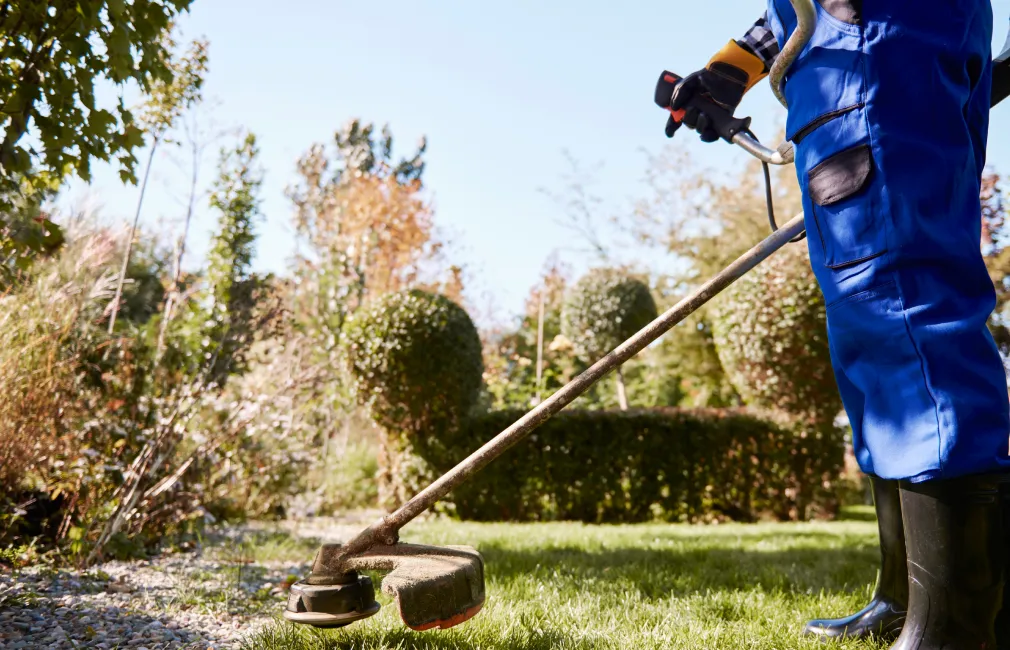
Mechanical Brush Removal
-
Selective Brush Thinning
-
Brush Mowing
-
Controlled Burning
-
Herbicide Application
-
Stump Grinding
Our Brush Removal Process
Site Evaluation
Safety Preparation
Brush Clearing
Debris Removal
Final Inspection
Why Choose Montezuma Landscape Services
-
Montezuma Homeowners Trust Us
-
Comprehensive Lawn Maintenance
-
Reliable Scheduling
-
Competitive Pricing
-
Experienced Professional Team
-
Satisfaction Guarantee
-
Personalized Service Plans
Coordinating Brush Disposal Through Montezuma's Public Works and Sanitation Services
Montezuma residents undertaking brush removal must coordinate debris disposal in compliance with the city's sanitation and public works guidelines. The City of Montezuma's Public Works Department oversees street maintenance, infrastructure, and sanitation services, including the handling of vegetative debris generated from residential and commercial properties. Before placing brush at the curb or right-of-way, property owners should confirm current collection schedules and bundling requirements directly with the department. Key disposal considerations include:
- Brush and limbs should typically be cut to manageable lengths (generally four feet or shorter) and stacked neatly at the curb, separated from household waste
- Loose leaves, vines, and small clippings should be bagged or containerized to prevent scattering into storm drains or roadways
- Large-volume brush from land clearing or storm damage may require special pickup arrangements or private hauling to an approved disposal site
- Verify current pickup days and any seasonal schedule changes with Public Works before placing material curbside
Residents should also review the Montezuma Code of Ordinances for provisions related to nuisance vegetation, property maintenance standards, and prohibited dumping of yard waste in drainage ditches or public waterways.
Montezuma Public Works
100 Sumter Street, Montezuma, GA 31063
Phone: (478) 472-8566
Official Website: Montezuma Public Works
Invasive Brush Species Along Montezuma's Flint River Corridor and Beaver Creek Drainages
Montezuma sits in the Middle Georgia Coastal Plain along the Flint River, and the city's low-lying areas, creek corridors, and drainage channels are particularly susceptible to aggressive invasive brush species. The warm, humid climate—USDA Hardiness Zone 8b—and the long growing season extending from March through November create ideal conditions for rapid regrowth of problematic vegetation. Property owners near Beaver Creek, the Flint River floodplain, and municipal drainage ditches should be aware of the following invasive species commonly requiring professional removal:
- Chinese privet (Ligustrum sinense): Forms dense thickets along creek banks and fence lines, displacing native understory vegetation and obstructing drainage flow
- Kudzu (Pueraria montana): Rapidly overtakes trees, structures, and utility corridors if not cut and treated at the root crown
- Japanese honeysuckle (Lonicera japonica): Smothers native shrubs and small trees along wooded lot edges
- Chinaberry (Melia azedarach): Produces prolific seedlings in disturbed soils and vacant lots
The UGA Cooperative Extension and UGA Extension Invasive Species Program provide identification guides and integrated management recommendations specific to Georgia's Coastal Plain region. Any herbicide application to invasive brush stumps or root systems must be performed by operators holding valid credentials under the Georgia Pesticide Use and Application Act of 1976.
How Montezuma's Tifton Sandy Loam Soils Affect Brush Regrowth and Root Removal
The predominant soils within Montezuma's city limits belong to the Tifton series and related Coastal Plain soil groups, characterized by sandy loam surface layers over sandy clay loam subsoils. These soils, mapped through the USDA Web Soil Survey, present specific challenges for brush removal operations:
- Shallow root penetration in sandy topsoil: While sandy loam allows easier mechanical extraction of shallow-rooted brush, root fragments left behind regenerate quickly in the warm, moist growing season
- Subsoil clay lenses: Tifton-series soils often contain plinthite or clay-enriched horizons at 18–36 inches, which can impede deep root extraction and cause equipment to bind
- Rapid drainage and nutrient cycling: The well-drained upper profile promotes fast regrowth of cleared areas, requiring follow-up monitoring within 60–90 days after initial removal
- Erosion vulnerability: Exposed sandy soils after brush clearing are highly susceptible to erosion during Montezuma's heavy spring and summer rainfall events, which average approximately 48–50 inches annually
Property owners should plan brush removal to coincide with drier periods—typically October through early December—to minimize soil disturbance and erosion risk. Stabilizing cleared areas with native ground cover or erosion-control matting is strongly recommended, particularly on slopes draining toward the Flint River or municipal stormwater infrastructure.
Protecting Montezuma's Stormwater Infrastructure During Brush Clearing Operations
Brush removal activities within Montezuma's city limits must account for the city's stormwater conveyance system, including roadside ditches, culverts, and drainage channels that ultimately discharge into Beaver Creek and the Flint River watershed. The Georgia EPD Watershed Protection Branch and federal Clean Water Act provisions require that land-disturbing activities prevent sediment and vegetative debris from entering waters of the state. Practical compliance steps for brush removal in Montezuma include:
- Never push or deposit cut brush, stumps, or root balls into drainage ditches, culverts, or stream channels
- Install silt fencing or straw wattle barriers along the downslope edge of clearing areas that drain toward city ditches or creek corridors
- Avoid operating heavy equipment within 25 feet of stream banks or wetland edges without appropriate erosion controls in place
- Remove all debris from the work site the same day or secure it to prevent displacement during rain events
For projects involving land disturbance exceeding one acre, a Notice of Intent under the EPA NPDES Program and a Georgia EPD erosion and sedimentation control plan may be required. Property owners should confirm applicability with the Montezuma Building Inspector's office, which provides code compliance reviews and construction permit guidance for development-related clearing.
Montezuma Building Inspector
100 Sumter Street, Montezuma, GA 31063
Phone: (478) 472-8566
Official Website: Montezuma Building Inspector
Seasonal Timing and Fire Safety Considerations for Brush Removal in Montezuma
Montezuma's Middle Georgia climate produces a long warm season with peak vegetation growth from April through September, making late fall and winter—November through February—the most practical window for large-scale brush removal. During this dormant period, deciduous brush species have dropped foliage, sap flow is reduced, and regrowth potential is minimized. Timing considerations include:
- Late fall (November–December): Ideal for cutting and stacking brush; lower humidity reduces mold and insect exposure for workers; soils are typically drier and more stable for equipment access
- Winter (January–February): Best window for stump treatment with approved herbicides, as reduced sap flow improves chemical uptake into root systems
- Spring and summer: Avoid major clearing during peak nesting season (April–July) to protect migratory bird habitat, consistent with federal Migratory Bird Treaty Act guidelines
- Storm season (June–September): Post-storm brush removal should be coordinated promptly to prevent debris from blocking drainage infrastructure
Open burning of brush piles within Montezuma's city limits is subject to local fire safety regulations and may require notification to or authorization from the Montezuma Fire Department. The Georgia Forestry Commission regulates outdoor burning statewide and issues burn permits for areas outside incorporated city limits; however, within Montezuma, residents should contact the Fire Department directly to verify whether open burning is permitted and under what conditions.
Montezuma Fire Department
128 North Dooly Street, Montezuma, GA 31063
Phone: (478) 472-8080
Official Website: Montezuma Fire Department
What Neighborhoods Do We Serve Throughout Montezuma, GA?
- Downtown Montezuma / Historic District: Older residential and commercial lots near Sumter and Dooly Streets often feature mature hardwoods, overgrown fence lines, and privet thickets requiring careful removal around historic structures and narrow setbacks. Coordination with the Montezuma Downtown Development Authority may be advisable for properties within the revitalization area.
- Flint River Corridor Properties: Lots bordering the Flint River floodplain face persistent brush encroachment from bottomland species including sweetgum, willow, and invasive privet. Erosion control and stream buffer awareness are critical during clearing operations.
- Beaver Creek Drainage Area: Residential properties along Beaver Creek's tributaries encounter wet soils, dense undergrowth, and drainage ditch maintenance needs that require brush removal sensitive to stormwater flow paths.
- North Montezuma / GA-49 Corridor: Properties along and adjacent to Georgia Highway 49 include larger residential lots and semi-rural parcels where brush accumulation along fence rows, utility easements, and property boundaries is common.
- South Montezuma / Oglethorpe Street Area: This area includes a mix of established residential lots with mature canopy cover and vacant parcels prone to volunteer brush growth, requiring periodic clearing to maintain code compliance.
- Montezuma City Parks and Adjacent Properties: Lots neighboring Montezuma City Parks and recreational areas may experience brush migration from wooded park edges, and removal work should be coordinated to avoid impacts on public green space.